
The music industry is often sold as a fantasy of red carpets, viral moments, and instant stardom. But for Nigerian-American rapper and songwriter Ms. Jorji, relying strictly on raw talent without an executive strategy is a quick path to becoming a caricature.
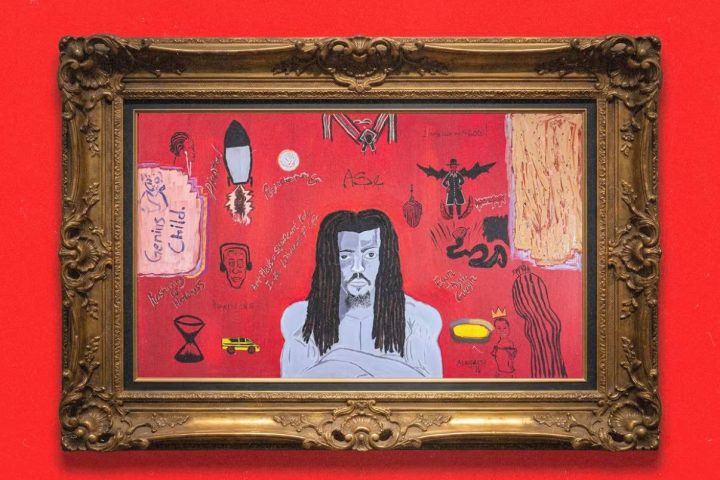
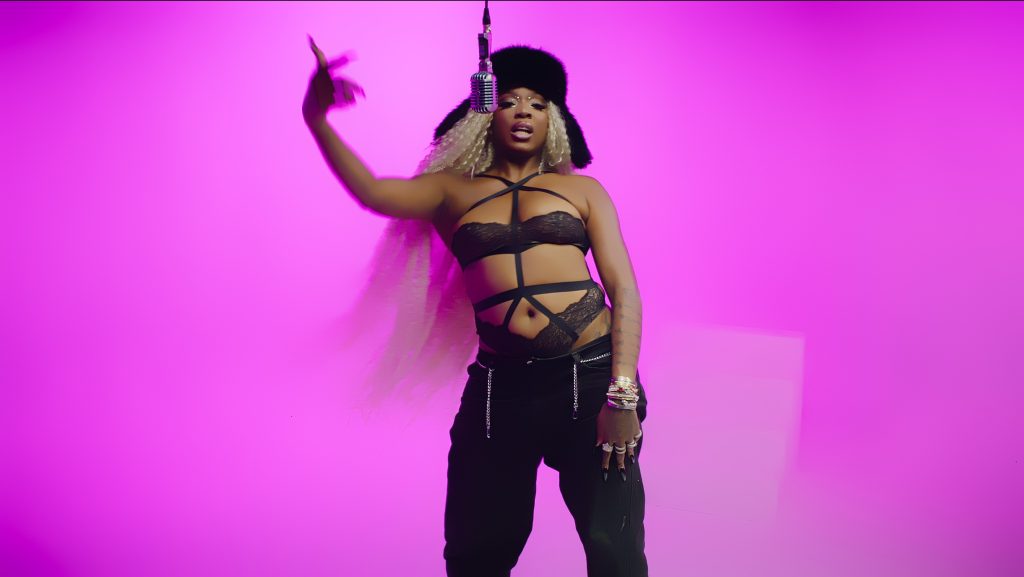
Following the release of her new hip-hop album The Problem Child, the “Afro-Trap Queen” delivered a stellar performance for the song “Get Out My Face” and in masterclass in industry realism during a recent sit-down with Phlow, pulling back the curtain on what it truly takes for female artists to survive and thrive.
Addressing the harsh realities women face upon entering the music space, Ms. Jorji did not shy away from the elephant in the room: systemic sexual harassment.
“When you come into the game as a woman, you can be the best and the smartest, and you will still have to overcome that,” she stated bluntly. “In America, we had the #MeToo movement. We haven’t even started a proper #MeToo movement in the African entertainment space regarding how pervasive the harassment is. That is one of the biggest hurdles.”

Beyond navigating predatory industry dynamics, Ms. Jorji argues that the biggest trap for emerging female creatives is treating music as a hobby rather than a high-stakes enterprise.
“A lot of women don’t understand the business aspect of this industry. Don’t get me wrong, I look good as hell, but this is a whole production plan—this is branding. Talent is just a minuscule part of it. Honestly, music is 97% business. You need to identify why you are doing this, what your end goal looks like, and protect your integrity before you say ‘I just want to be an artist.'”
For Ms. Jorji, studying the greats—from Nas and Lil Wayne to Nicki Minaj and Kendrick Lamar—wasn’t just about mastering cadences; it was about understanding the discipline of the craft. As The Problem Child continues to gather momentum, her message to the next generation of African musicians is clear: do the homework, own your business, and build an empire that outlasts the noise.