
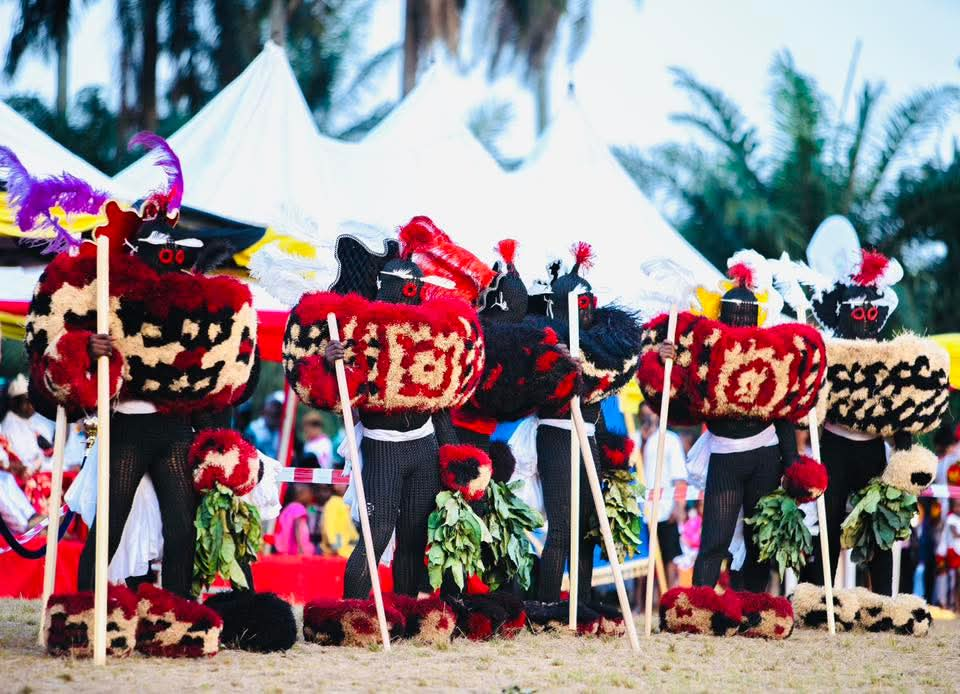
Every December, the resonant drums of Ekpe summon the riverine peoples of Uruan, Oron, and Calabar to Mbiaya Uruan. The Iboku Uruan Cultural Festival is a vivid showcase of colourful Ekpe masquerades, indigenous cuisine, rich traditional attire, and spirited Nyoro Ekpe competitions where initiates display intricate Nsibidi footwork and artistry. Meaning “the origin or root of Uruan,” the festival represents Akwa Ibom State’s strongest contender for a signature cultural brand—much like Ojude Oba defines Ijebuland and the Argungu Fishing Festival defines Kebbi State.
Though relatively young, the festival has built an impressive foundation. Revived in 2021 at Mbiaya Uruan and held annually on December 23rd or 28th, it is organized by the Iboku Uruan Heritage Foundation. By its second edition in December 2022, former Cross River State Governor Donald Duke attended as special guest of honour, praying for its longevity. Primarily self-sponsored with modest support from indigenous and multinational firms, the community has shouldered the heavy lifting alone while reviving near-extinct displays like Mbaya, Ubomi Bam, and Abre. Today, academic journals document its theatrical staging, and the National Institute for Cultural Orientation (NICO) officially lists it.
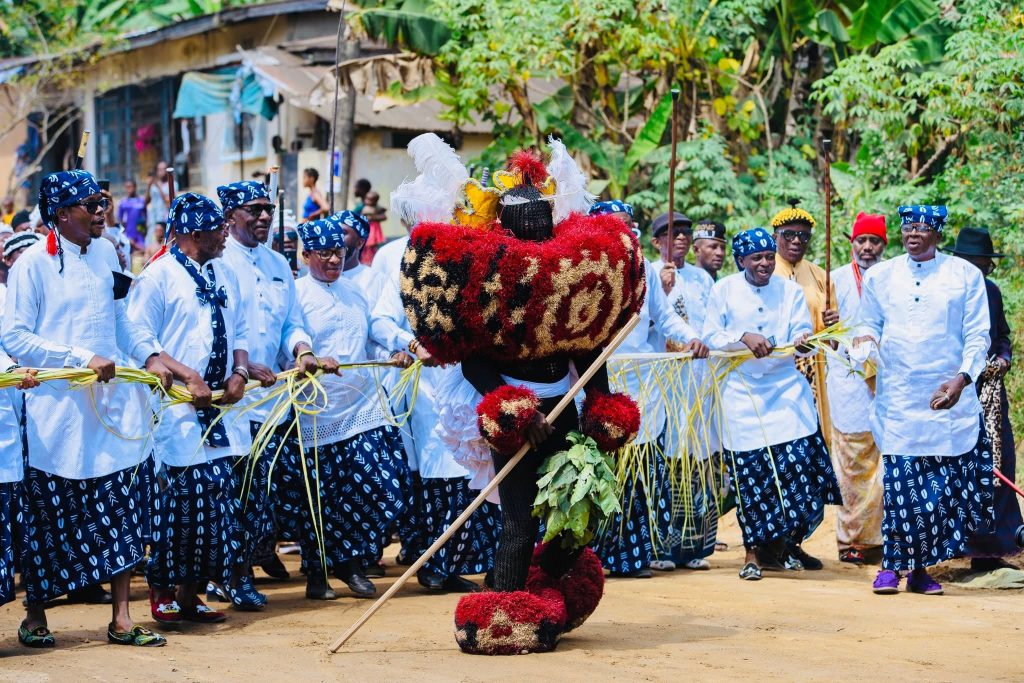
Like Ojude Oba—which evolved from a royal courtyard homage into a massive spectacle featuring 90 age-grade groups in 2024—and Argungu, which draws visitors from across four continents, Iboku Uruan possesses every raw ingredient of a destination festival. With roughly six weeks left before the 2026 edition, transforming it into Akwa Ibom’s undisputed poster festival comes down to five deliberate steps.
First, royal fathers must take the front row. In Ijebuland and Argungu, traditional stools provide institutional credibility and continuity—even stepping in to preserve Ojude Oba during the 2026 interregnum and rescheduling Argungu when necessary. Royal fathers across Uruan, Oron, and neighboring riverine clans should formally open the festival, receive dignitaries, address the press, and sit directly with the Heritage Foundation on strategic planning.
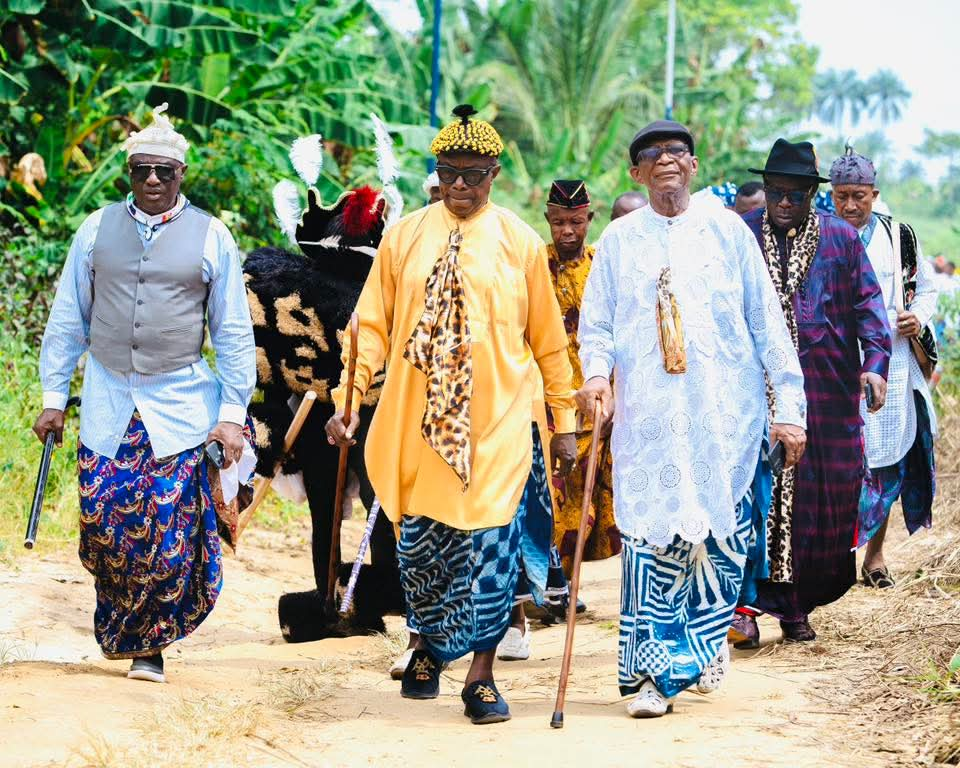
Second, organizers need deliberate tourism packaging. Having a distinctive Ekpe identity and a fixed December homecoming date is only half the battle. Visitors need published event schedules well in advance, structured shuttle logistics from Uyo to Mbiaya, curated hospitality deals with local hotels, and an accessible digital archive of high-resolution photos and videos that travelers can share globally.
Third, the Akwa Ibom State Government must move from passive goodwill to institutional backing. When a festival already commands genuine grassroots authority, state endorsement through the Ministry of Culture and Tourism unlocks security coordination, road access, and national media visibility without stripping the community of ownership.
Fourth, corporate sponsorship must be structured around clear commercial value. Rather than relying on ad-hoc donations and basic sponsorships, the Heritage Foundation can package branded performance arenas, VIP hospitality lounges, and digital broadcast rights that appeal to telecoms, banks, and beverages targeting December holidaymakers.
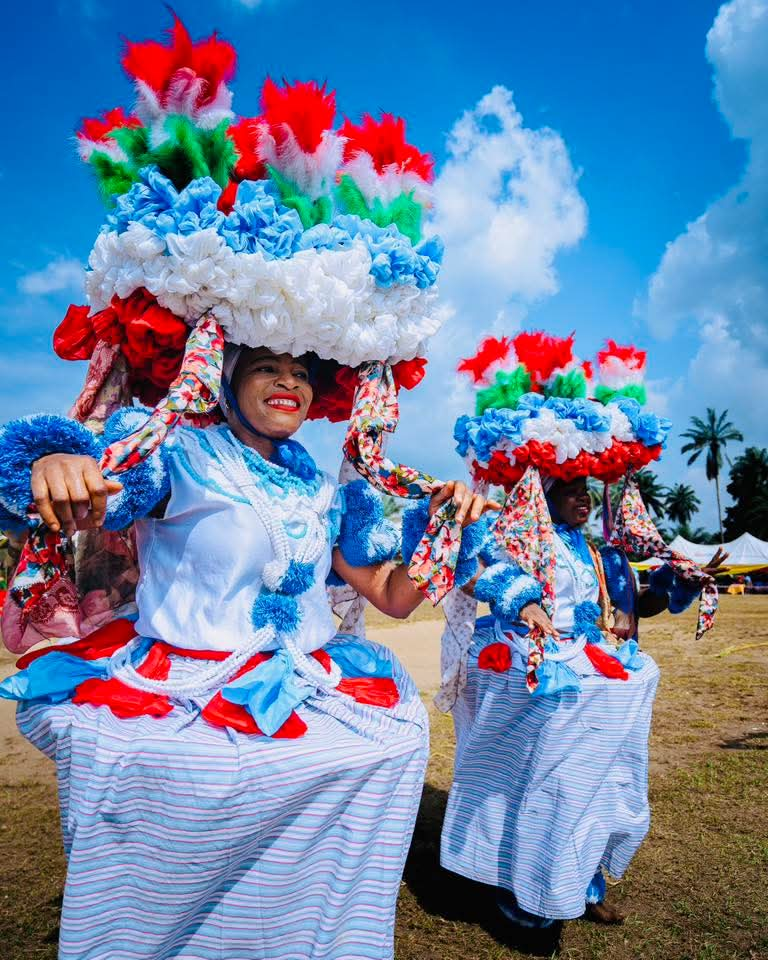
Finally, stakeholders must deliberately cultivate the local economic value chain. A flagship festival thrives when residents feel direct financial returns—from weavers and tailors supplying regalia to transport operators, food vendors, and local artisans. Beyond boosting Uruan’s economy, a thriving model gives other Akwa Ibom communities a blueprint for packaging their own heritage.
With late December fast approaching, the countdown has begun. Whether 2026 passes as another spirited local gathering or marks the year Iboku Uruan steps onto Nigeria’s premier cultural calendar depends on what organizers, royal fathers, and state leaders build over the next six weeks.