
Grief, trauma, and the quiet cost of pretending we are unbreakable
Male vulnerability in Nigeria is rarely welcomed when a man is grieving, hurting, or quietly unravelling. While society celebrates men when they are winning, providing, and standing tall, it still struggles to accommodate a man who is in pain.
When tragedy strikes a family or life knocks the wind out of a man, society gives him a remarkably short window to grieve before expecting him to straighten his shoulders, handle logistics, and return to business as usual. Tears are tolerated briefly at a funeral; after that, prolonged pain is quietly treated as an inconvenience—or worse, a character flaw.
I know that silence intimately. When I lost my immediate elder sister, the grief did not neatly pack itself away after the burial rites ended. Instead, I carried post-traumatic stress disorder for close to a decade—navigating years of flashbacks, emotional numbness, and unseen battles while still showing up to work, meet deadlines, and wear the composed face expected of a grown man.
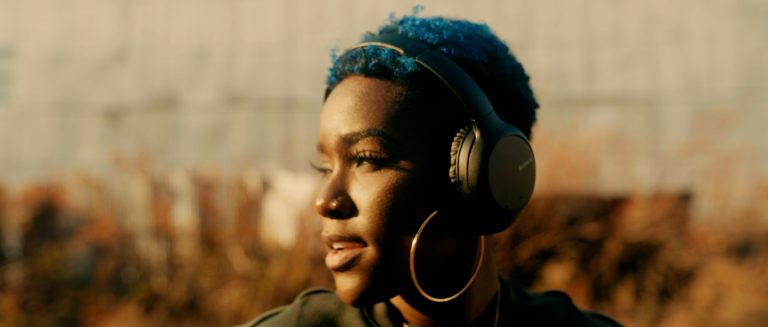
Even after I got married, the weight would catch up with me in quiet moments. I would slip out of the bedroom into the sitting room late at night, plug in my earpiece, and find myself dancing and weeping at the exact same time—playing Naeto C and Asa’s “Share My Blessings” just to release what I could not say out loud. For years, I actively avoided hearing Wiz Khalifa and Charlie Puth’s “See You Again” from the Fast & Furious soundtrack in public because I knew a single verse would undo my composure on the spot.
That experience taught me something mainstream culture rarely admits: unresolved pain does not vanish simply because a man refuses to talk about it. It settles into the body, strains relationships, steals sleep, and isolates you even when you are surrounded by people who love you. Today, whenever a male friend loses someone dear to him, the first thing I tell him is simple: allow yourself to cry. Let the tears come so the tension can leave your body and give you room to breathe.
Across Nigeria, millions of men are walking around with untreated grief, trauma, financial anxiety, and depression—not because they lack strength, but because the environment around them offers almost no safe space to be vulnerable. When a man admits he is broken, he risks being seen as weak at work, unreliable at home, or overly dramatic among peers. So he swallows the pain, turns up the volume on his hustle, and hopes time alone will heal what was never properly processed.
Making room for men and vulnerability in Nigeria does not mean stripping men of their resilience or sense of duty. It means recognising that men are human beings before they are providers. A man should be able to say “I am grieving,” “I am traumatised,” or “I am not okay” without losing respect in the room.
Thankfully, a few vital cultural voices are beginning to widen that space—from conversations hosted by Ebuka Obi-Uchendu on MenTality and Chude Jideonwo on #WithChude, to actor Chimezie Imo using creative storytelling to unpack male pain, and Timi Dakolo’s poignant 2026 anthem “Brotherly” reminding men that “they say man no dey cry, but we cry a lot.”
Together with public figures like Ycee speaking candidly about living with bipolar disorder, they remind us that bleeding in silence is not bravery. Being honest about our mental well-being, shedding the tears we have held back for years, and allowing ourselves to heal is one of the strongest decisions a Nigerian man can ever make.