
For generations, Nigerian masculinity has been governed by an unwritten code of stoicism. Whether in the boardroom, the family compound, or the neighbourhood bar, men are taught early on to absorb pressure in silence—to provide without complaining, lead without flinching, and mask emotional exhaustion behind humour or bravado.
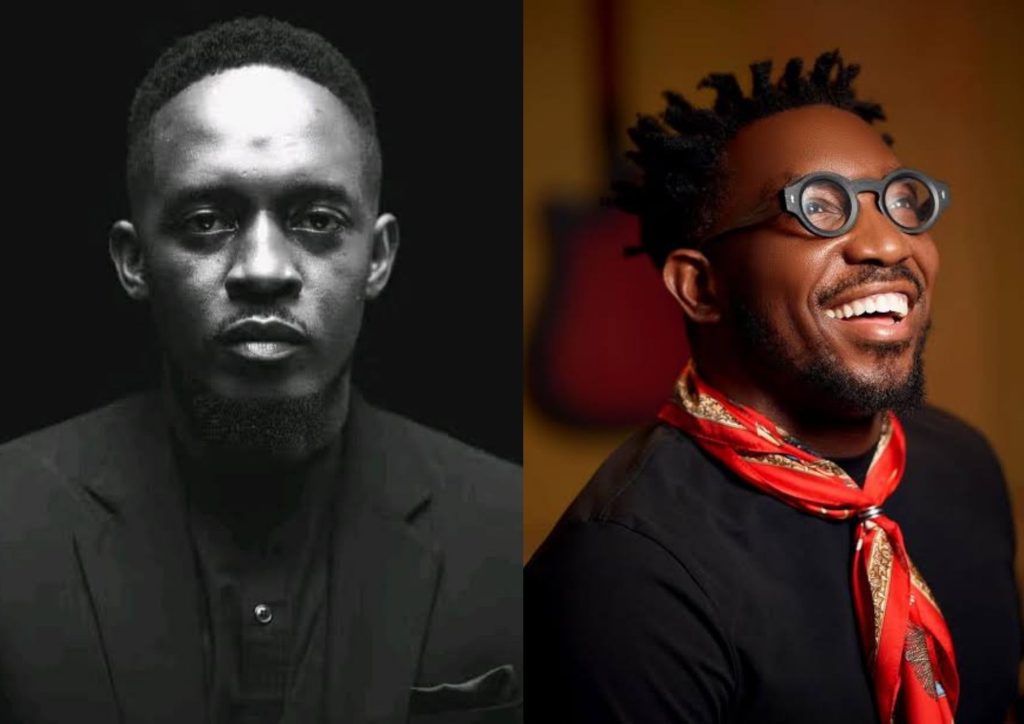
In Nigerian popular music, that expectation long translated into records centred on conquest, wealth, and invincibility. Yet over the past decade, two of the country’s most respected voices—rapper M.I Abaga and Timi Dakolo, the celebrated soul vocalist—have quietly dismantled that armour. Across three landmark releases spanning twelve years—M.I’s 2014 confession “Brother,” his 2018 album A Study on Self Worth: Yxng Dxnzl, and Dakolo’s 2026 soul anthem “Brotherly”—both artists map the hidden emotional toll of Nigerian manhood, fractured brotherhood, and the quiet crisis of men’s mental health.
1. The Grief of Fractured Brotherhood: M.I Abaga’s “Brother” (2014)
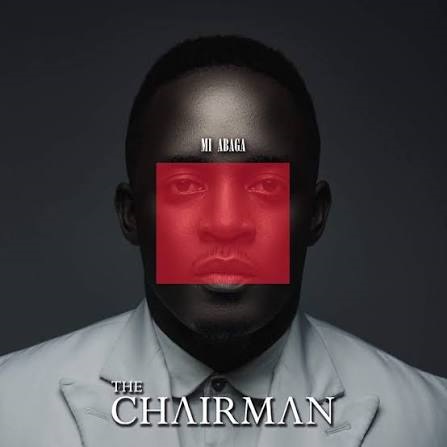
Hip-hop has historically treated conflict as a spectator sport, rewarding diss tracks and chest-thumping over heartbreak. On “Brother,” from his third studio album The Chairman, M.I. Abaga rejected that playbook entirely.
Released at a moment when the original Chocolate City brotherhood was visibly fracturing—marked by public rifts with his biological brother Jesse Jagz and former labelmate Brymo—”Brother” was neither an attack nor a victory lap. Anchored by Nosa’s soaring, gospel-inflected hook and a raw closing verse from Milli, the track stripped away M.I.’s “Chairman” persona to expose the grief of losing close male bonds while trying to carry everyone forward.
In Nigerian culture, men rarely have the language to mourn a living friendship. When brothers or close friends drift apart over pride, business, or unspoken resentment, the default response is silence. M.I broke that silence on wax—admitting confusion, longing, and the loneliness that accompanies leadership. By framing loyalty and reconciliation as signs of strength rather than weakness, “Brother” gave Nigerian men rare permission to admit that losing a friend hurts just as deeply as losing a lover.
2. The Internal Audit: A Study on Self Worth: Yxng Dxnzl (2018)
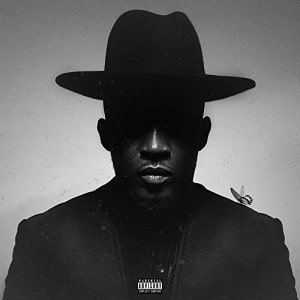
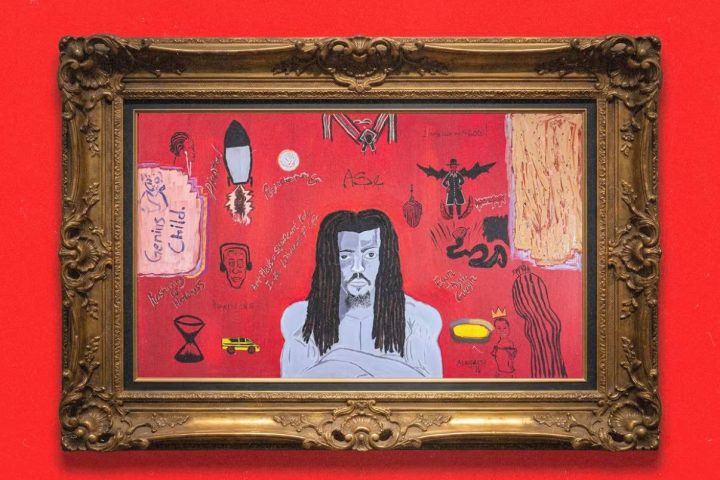
If “Brother” examined the pain between men, M.I Abaga’s 2018 album A Study on Self Worth: Yxng Dxnzl turned the lens inward—becoming arguably the most cohesive psychological self-examination in Nigerian music history.
Structured almost like a recorded therapy session, Yxng Dxnzl arrived at a point when M.I was grappling with ageing in a youth-driven industry, public criticism, and the exhausting trap of tying self-worth to external validation. Rather than hiding behind technical rap acrobatics, he laid his insecurities bare across the tracklist:
In “Do You Know Who You Are? Take Some Time and Meditate on You”, this song deals with an identity crisis. Featuring Tay Iwar, the opener confronts the danger of confusing public applause with personal identity—a trap familiar to any man whose value is constantly measured by what he produces.
Tackling Impostor Syndrome M,.I alongside Niyola’s “The Self Evaluation of Yxng Dxnzl”, the track conducts an unflinching audit of his flaws, career anxieties, and fear of becoming irrelevant.
Then, on “+-“ and “I Believe in You, You Should Too, Believe in You”, the battle of Emotional Duality. Balancing the highs of creative ambition against the lows of isolation and self-doubt, M.I moves from private despair toward hard-won self-compassion.
By naming anxiety, depression, and imposter syndrome directly, Yxng Dxnzl challenged the myth that successful men are immune to mental strain. It demonstrated that survival sometimes requires sitting quietly with your own brokenness instead of outrunning it.
3. The Silent Provider Burden: Timi Dakolo’s “Brotherly” (2026)
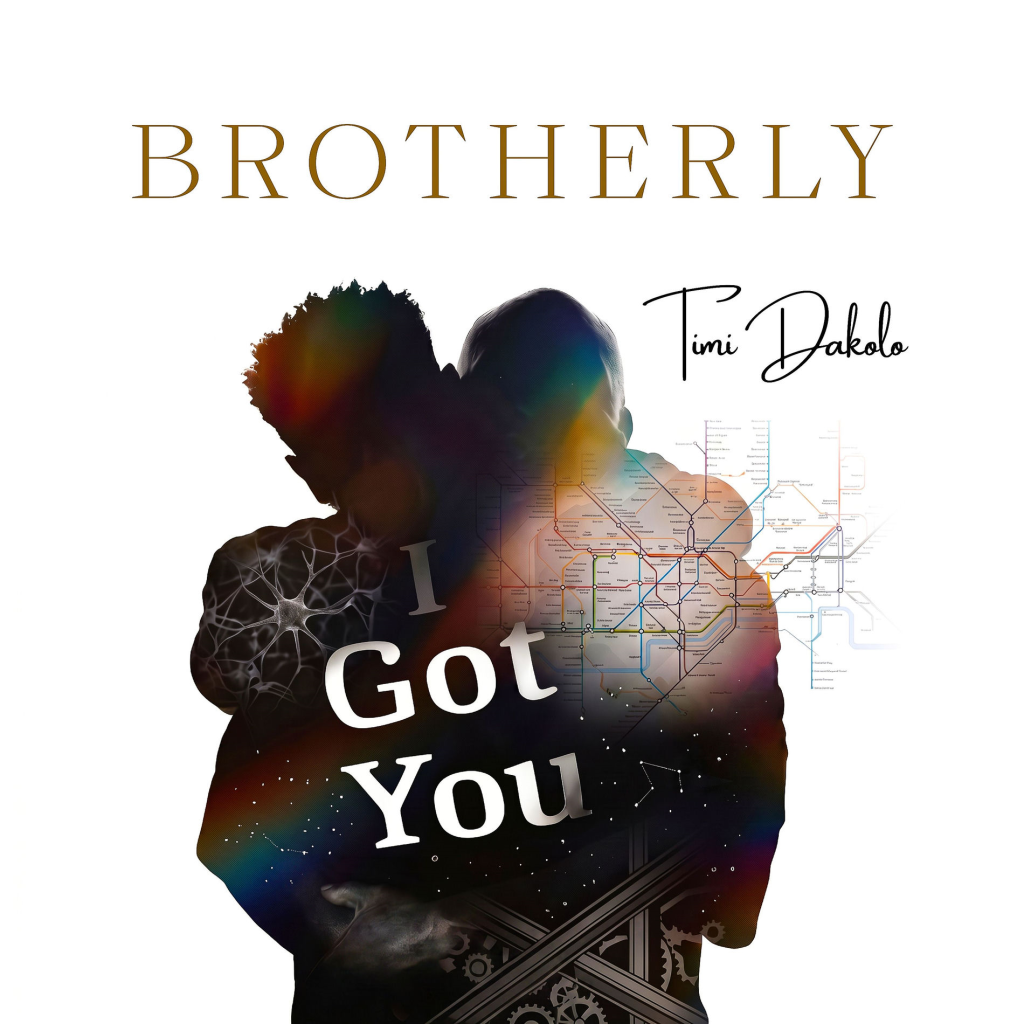
Twelve years after M.I.’s “Brother,” Timi Dakolo picked up the emotional baton from a different angle—shifting from the boardroom of hip-hop fame to the everyday living rooms of working Nigerian men.
Co-written and produced with longtime collaborator Cobhams Asuquo, Dakolo’s May 2026 single “Brotherly” is a direct, soulful intervention into the silent pressures crushing modern men. Where M.I dissected internal identity and fractured camaraderie, Dakolo confronts the relentless weight of financial obligation, “black tax,” and emotional neglect.
With his signature gravelly warmth, Dakolo highlights a painful reality: men are routinely treated as human ATMs—expected to rescue family, friends, and dependents on demand—while almost no one pauses to ask if they have eaten, slept, or reached their breaking point. “Brotherly” exposes the quiet emotional blackmail embedded in phrases like “be a man,” warning that unchecked pressure is driving too many men into silent depression and burnout.
Crucially, Dakolo offers an antidote: intentional male solidarity. The song functions as an urgent call for men to drop the small talk, check in on their friends beyond surface banter, and create safe spaces where a brother can say, “I am not okay,” without shame.
Viewed together, M.I Abaga’s “Brother,” Yxng Dxnzl, and Timi Dakolo’s “Brotherly” form an essential cultural trilogy on Nigerian manhood.
M.I showed that a leader can grieve lost friendships and question his own self-worth without losing his crown. Dakolo reminded an entire generation that behind every dependable provider is a human being who also needs care, rest, and genuine brotherhood. In a society still learning how to talk openly about men’s mental health, these records endure not just as great music, but as lifelines—proving that true strength begins the moment a man refuses to carry the weight alone.